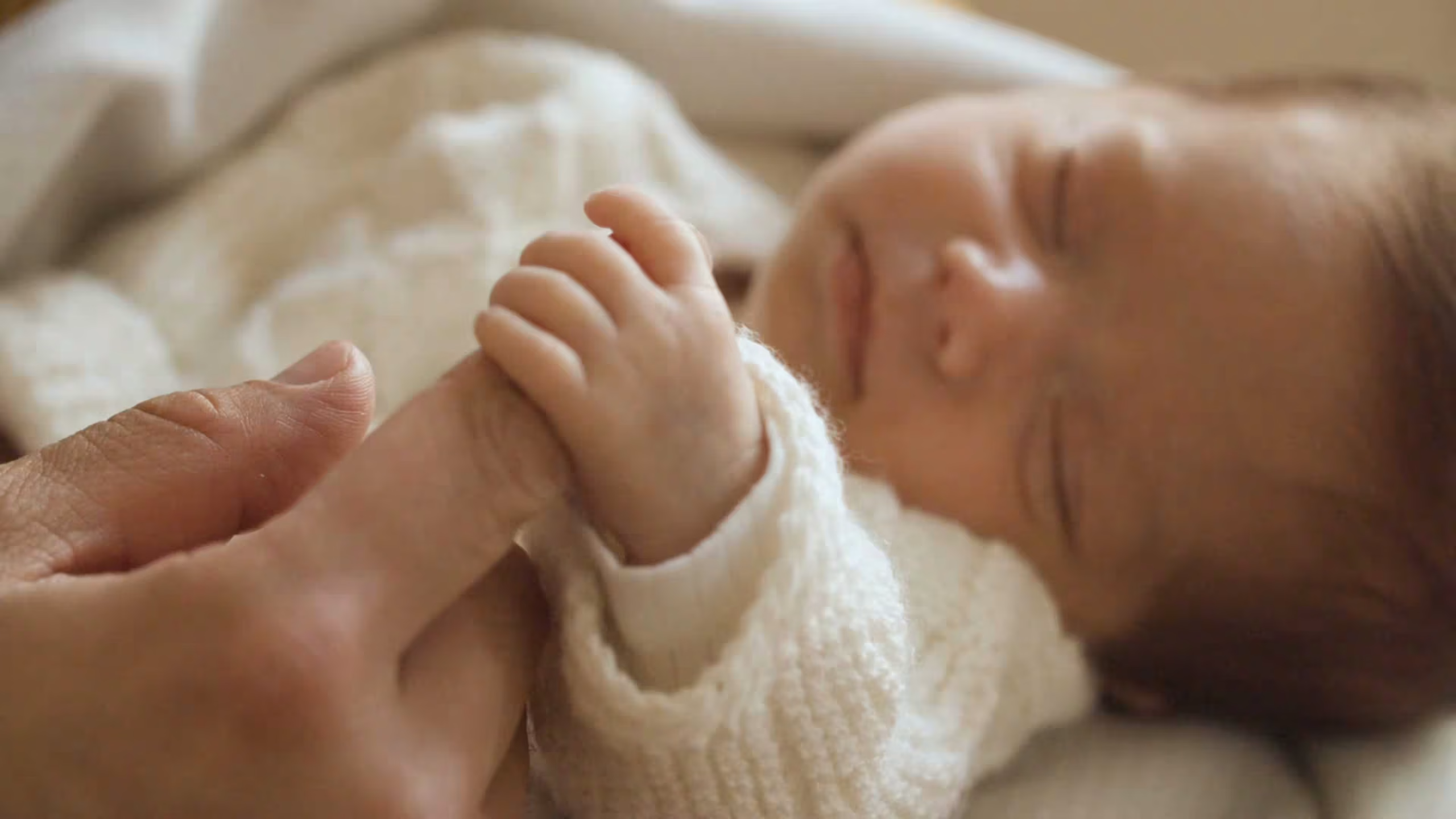
Once a woman gives birth, much of the care and attention that surrounded her during pregnancy naturally shifts toward the newborn. While babies, of course, need an enormous amount of love and care, new mothers do too. Birth—whether smooth or challenging—is an intense physical and emotional experience, and the postpartum period is a time of significant recovery and adjustment.
For many women, physical recovery is the most immediate need after birth. Postpartum massage offers gentle, hands-on support during this time of readjustment, helping the body release strain accumulated during pregnancy and birth.
Sessions often focus on easing muscle tension that has carried over from pregnancy, as well as new discomforts that can arise from birth, nursing, holding a baby, and disrupted sleep. Structural work and postural guidance help realign the body after months of carrying extra weight, while abdominal massage supports healing of the viscera in the abdominal and pelvic cavities. For those who have had a cesarean birth, gentle scar work can help reduce restriction and support healthy tissue mobility.
Beyond the physical benefits, postpartum massage provides something equally important: a moment of care directed toward the mother herself. In a time when attention is almost entirely focused outward, being nurtured can help restore calm, resilience, and a sense of being held.
Postpartum massage may help to:
While massage helps address the physical layers of recovery, acupuncture and Chinese herbal medicine work more internally, supporting the body’s deeper physiological and hormonal rebalancing.
Chinese medicine has long recognized the postpartum period as a critical window for recovery. Traditionally, this time was devoted to rest, nourishment, and restoration. While modern life rarely allows for extended downtime, acupuncture and herbal medicine can help support many of the same processes—replenishing depleted systems, improving circulation, stabilizing mood, and promoting overall healing.
Acupuncture is commonly used postpartum to support recovery from birth, regulate hormonal shifts, and ease emotional strain. It can be particularly helpful for mood changes, anxiety, or postpartum depression, offering a gentle, well-tolerated option for emotional support.
Herbal medicine may be recommended when appropriate to help rebuild strength, support lactation, and restore balance. Moxibustion, a warming therapy that uses the herb mugwort and is applied over the abdomen, is often especially beneficial in the weeks after birth. It can help the uterus return to its pre-pregnancy size, ease discomfort, and support circulation and healing.
As the body heals internally, nutrition becomes a quiet but essential form of medicine. The demands of caring for a newborn can make it difficult to eat well, yet nourishment is essential to postpartum recovery, emotional resilience, and energy.
For breastfeeding women, nutrition also directly affects milk quality and supply. Research shows that early nutrition—including a mother’s diet while breastfeeding—can influence a child’s long-term health and food preferences. Supporting balanced blood sugar, adequate protein intake, and nutrient-dense foods benefits both mother and baby.
We offer practical, realistic guidance around postpartum nutrition and supplementation, drawing from both modern research and traditional wisdom. This includes recommendations for foods and herbs that support healing, promote healthy lactation, and help sustain energy during this demanding time.
The postpartum period is not something to simply “push through.” With the right support, it can be a time of healing, strengthening, and gradual return to balance. Supporting a mother’s recovery supports the health of the entire family.
If you’re newly postpartum—or even months or years beyond birth and still feeling the effects—you don’t have to wait until things feel overwhelming to seek care. We understand how difficult it can be to make time for yourself, and we aim to make care as supportive and manageable as possible.
When you’re ready, we would be honored to support you.
Carlsson CP1, Axemo P, Bodin A, Carstensen H, Ehrenroth B, Madegård-Lind I, Navander C. Manual acupuncture reduces hyperemesis gravidarum: a placebo-controlled, randomized, single-blind, crossover study. J Pain Symptom Manage. 2000 Oct;20(4):273-9. PMID: 11027909. [PubMed] [Read by QxMD]
Ezzo J1, Streitberger K, Schneider A. Cochrane systematic reviews examine P6 acupuncture-point stimulation for nausea and vomiting. J Altern Complement Med. 2006 Jun;12(5):489-95. PMID: 16813514. [PubMed] [Read by QxMD]